
Birding Tours in Galveston & the Upper Texas Coast
Some of the best spring migration birding in North America
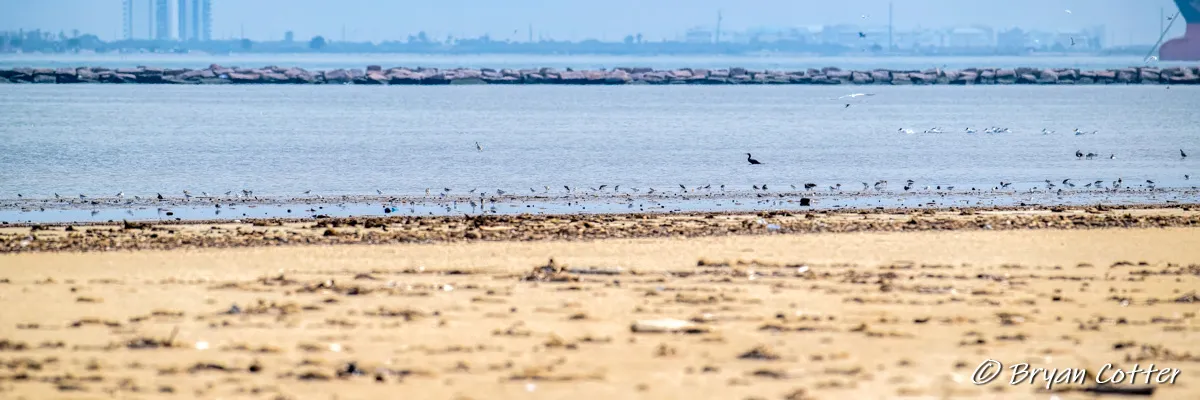
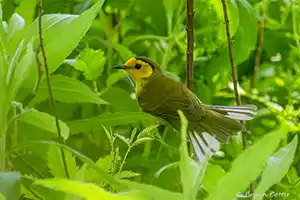
Where & when: The upper Texas coast around Galveston, High Island, and Bolivar Peninsula is one of the premier birding regions on the continent. In spring migration — roughly late March through early May, peaking in mid-to-late April — trans-Gulf migrants pour in off the water: warblers, tanagers, buntings, orioles, and grosbeaks, sometimes dozens of species in a single woodlot. Winter brings huge numbers of waterfowl, shorebirds, and raptors, and fall runs a quieter second migration. Because timing, tides, and weather (the famous coastal “fallouts”) make all the difference, a guided trip puts you in the right place at the right moment.
The upper coast is a full-day or multi-day trip from the Austin area, timed to migration and the tides and customized to your target birds. Small groups, all skill levels, and a full trip report afterward.
Check dates & plan your trip → See all prices
What birds will you see? Browse the photo checklist of the birds Bryan has photographed on the Galveston coast → — spoonbills, shorebirds, terns, migrants and more, updated as new photos come in.
When to visit the Texas coast
The headline season is spring migration. From late March the first waves arrive, and the peak — roughly April 15 to May 5 — can be extraordinary, especially when a north wind or a line of rain forces migrants down onto the coast in a “fallout.” On the right morning, the migrant woodlots at High Island and Lafitte’s Cove can be dripping with warblers, tanagers, and buntings. Winter (November–February) is the other great window, with waterfowl, shorebirds, raptors, and sparrows across the flats and refuges, while fall migration (August–October) offers a longer, more relaxed passage of shorebirds and songbirds.
Galveston Area - Galveston County
Appfel Park - East Beach
Great place for gulls and shorebirds.
Lafitte's Cove
Great place for warblers and other wood habitat birds.
Sportsman Road / 8 mile road
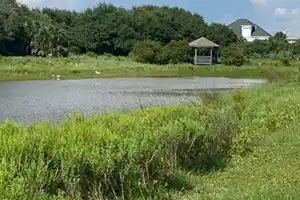
Great place for pasture and water birds like Roseate Spoonbills, Ibis, raptors, waterfowl and rails. Can find warblers as well.
Dos Vacas Muertas Bird Sanctuary
Another good place for migrants such as warblers, tanagers, buntings and such.
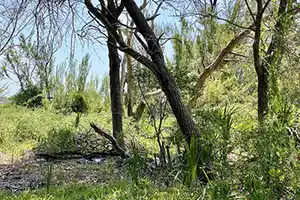
The Edward and Helen Oppenheimer Bird Observatory
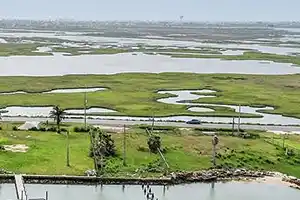
A nice little blind setup that sits overlooking a pond. You can enjoy views of waterfowl and other species that enjoy water like waders and rails.
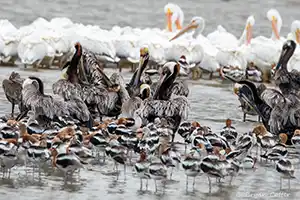
Bolivar Flats Shorebird Sanctuary
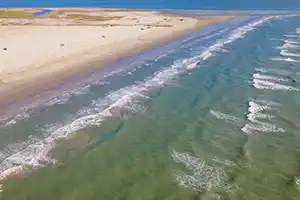
One of the best places in the state for all of the shorebirds of Texas including protected areas for Snowy Plovers, etc. Best worked on a rising or high tide, which pushes the birds in close.
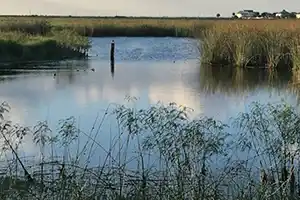
High Island – Smith Oaks Sanctuary
The most famous migrant trap on the coast. In spring its woodlots can fill with warblers, tanagers, and buntings, and the Smith Oaks rookery puts nesting Roseate Spoonbills, egrets, and herons at eye level from an island boardwalk. Well-maintained trails, viewing platforms, and an elevated canopy walkway.
High Island – Boy Scout Woods
Houston Audubon's original High Island sanctuary — the classic fallout woodlot, with a grandstand overlooking a water drip that pulls warblers, thrushes, and tanagers in close on the right spring morning.
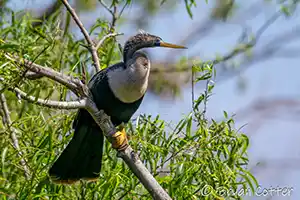
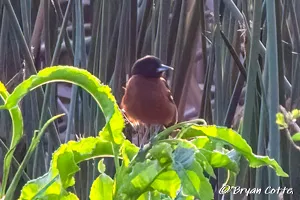
Galveston Island State Park
A compelling mix of coastal prairie, brackish wetlands, and Gulf beach on the island's west end. Excellent for shorebirds, waders, sparrows, and migrants, with trails and observation platforms — one of the island's premier birding sites.
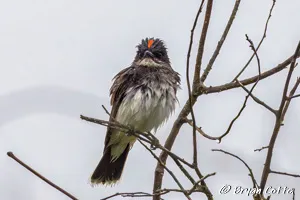
Galveston Area - Brazoria County
Quintana Neotropical Bird Sanctuary
Great place for spring migrants such as warblers and others.
San Bernard/Brazoria NWRs
These two National Wildlife Refuges hold great amounts of waterfowl and other species that frequent water like terns, gulls, ducks, rails, dowitchers, ibis, etc.
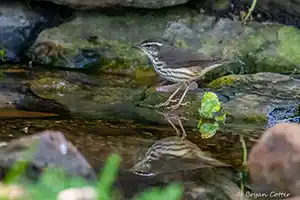
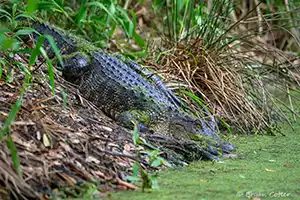
Galveston Area - Jefferson County
Sabine Woods
A classic coastal migrant trap — on a good spring morning its oaks can hold warblers, tanagers, orioles, and buntings dropping in off the Gulf.
Sea Rim State Park
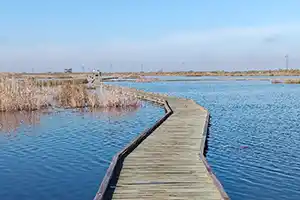
This is a 4,141-acre state park in southeast Texas. It's a nice place for gulls, terns, and other shorebirds, plus marsh species along the boardwalk.
More coastal hotspots
Other good stops I can work into a custom Gulf Coast trip, depending on the season:
- Texas City Dike — a long jetty into the bay for gulls, terns, loons, and shorebirds.
- East End Lagoon Nature Preserve — marsh, tidal flats, and beach at the island's east tip.
- Artist Boat Coastal Heritage Preserve — coastal prairie and wetland on the west end.
- Sweetwater Nature Preserve — freshwater ponds good for waders and ducks.
Why go with a guide on the coast
Coastal birding is all about timing and reading the conditions. Whether a woodlot is empty or full can come down to the wind direction the night before, and shorebird flats like Bolivar are far better on the right tide. I keep an eye on the weather, the tides, and where the birds are showing up, and I know which stops to hit in what order on a given morning — so you spend your time on birds instead of guessing. If you’re after photos as well as a list, the rookery at High Island and the close shorebirds at Bolivar are hard to beat.
Your guide
I’m Bryan Cotter, an Austin-based professional birding guide. In 2025 I became the 10th person in history to record 500 bird species in Texas, and I hold the Travis County (Austin) Big Year record of 330 species. I guide the whole state — from the Hill Country endemics to the coast and the Rio Grande Valley. More about me →
Galveston & Texas coast birding FAQ
When is the best time to go birding in Galveston?
Spring migration is the highlight — late March through early May, peaking in mid-to-late April, when trans-Gulf migrants arrive on the upper coast. Winter is also excellent for waterfowl, shorebirds, and raptors, and fall offers a longer, quieter migration.
What is a migration “fallout” and how do I see one?
A fallout happens in spring when a north wind or rain forces migrants crossing the Gulf to drop straight down onto the first land they reach — the coastal woodlots. On those mornings, spots like High Island and Sabine Woods can be packed with warblers, tanagers, and buntings. They depend on weather, so a guide who is watching the forecast greatly improves your odds of catching one.
Where are the best birding spots around Galveston?
High Island (Smith Oaks Sanctuary and its rookery), Bolivar Flats Shorebird Sanctuary, and Lafitte’s Cove are the classics, along with Quintana Neotropical Bird Sanctuary, Sabine Woods, and the San Bernard and Brazoria National Wildlife Refuges.
What birds can I see on the upper Texas coast?
In spring, a big variety of warblers, plus tanagers, orioles, buntings, and grosbeaks. Year-round and in winter you’ll find Roseate Spoonbills, herons and egrets, ibis, a wide range of shorebirds, terns and gulls, ducks and other waterfowl, and raptors.
Do you offer guided birding tours on the Texas coast?
Yes. Coastal trips are run as a full day or multi-day tour from the Austin area, timed to migration and the tides and tailored to your target birds. Contact me with your dates and I’ll help you plan it.
Plan your Gulf Coast birding trip · All destinations · Back to the main page
Birding Tours Texas
Let's Go Birding!
email me privacy policy
copyright © 2026 by Birding Tours Texas. All Rights Reserved
site by: cotter designs
Guided by Bryan Cotter