
Bird Watching Tours in Austin & the Texas Hill Country
Home of the two Texas Hill Country endemics

Where & when: The Austin area is the only place on Earth where you can see both Texas Hill Country endemics — the Golden-cheeked Warbler and the Black-capped Vireo — often in a single morning, with April the sweet spot for the pair. Beyond the endemics, Travis and Williamson counties pack in a huge range of habitats: oak-juniper canyons, the Colorado River, prairie, and the shorebird ponds at Hornsby Bend. The endemics headline the spring (mid-March through May), but the Austin area is a rewarding place to bird year-round.
Small groups, all skill levels, and a trip report with your full bird list afterward. Half-, three-quarter-, and full-day options, tailored to your target birds.
Check dates & book → See all prices
What birds will you see? Browse the photo checklist of every bird Bryan has photographed in the Austin area → — the endemics, migrants, waterbirds and more, updated as new photos come in.
When to visit the Austin area
The headline season is spring. The Golden-cheeked Warbler arrives on territory in mid-March and sings into late May, and the Black-capped Vireo is reliable April into May — so April is the classic window to target both endemics at once. Spring also brings migration to the river parks and Hornsby Bend. Winter fills the lakes and ponds with waterfowl, sparrows, and the odd rarity, and resident Hill Country species can be found any time of year. If the two endemics are your goal, come between late March and mid-May.
Austin Area - Travis County
Reimer's Ranch
Best place for western birds.
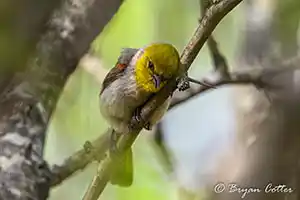
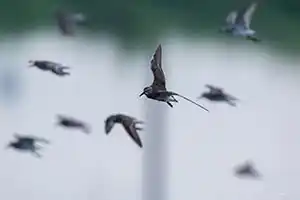
Hornsby Bend Bird Observatory
Known for over 270 species, particularly shorebirds and migratory birds, due to its varied habitats and water treatment ponds.
Mill's Pond
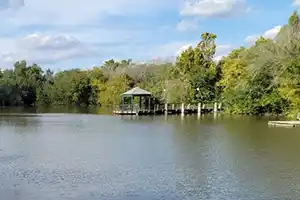
Best place for spring migrants.
Bob Wentz Windy Point Park
Nice place for migrants like gulls, waterfowl and others like warblers and orioles. Always seems to be a rare bird or two around here.
Commons Ford Ranch Metro Park
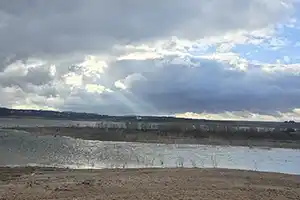
Features a large prairie restoration area and borders Lake Austin, making it a hotspot for sparrows and buntings.
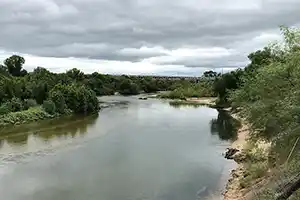
Roy G. Guerrero Colorado River Metro Park
Offers riverbank access with high species diversity, including raptors and migratory birds.Mueller Southeast Greenway: A restored urban area with native plantings and a pond.
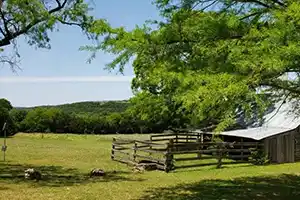
Balcones Canyonlands National Wildlife Refuge (Doeskin Ranch)
Excellent for Edwards Plateau species like the Golden-cheeked Warbler and Black-capped Vireo (spring — April is best for both endemics). See our Golden-cheeked Warbler and Black-capped Vireo tours.
McKinney Falls State Park
A good mix of woodland and riparian species.
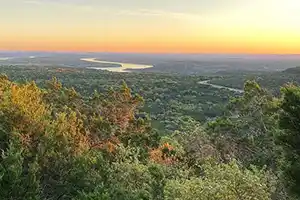

Lady Bird Johnson Wildflower Center
Native plant gardens attract a wide variety of birds (over 150 species listed on eBird).
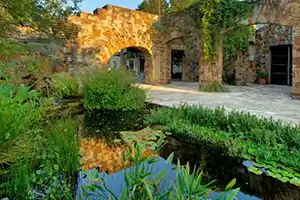
Blair Woods Sanctuary
Features an accessible, soft-surface trail ideal for watching birds from a blind.
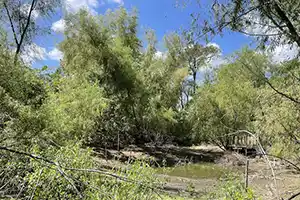
Austin Area - Williamson County
Granger Lake
Best place with huge areas for waterfowl, shorebirds around the lake and fields and spring migrants.
Lake Creek Trail
Great place for warblers and some water birds along the creek here.
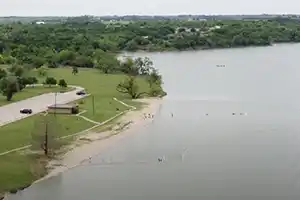
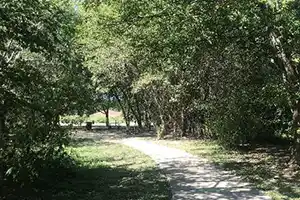
Devine Lake
Nice spot for waterfowl and migrating warblers.
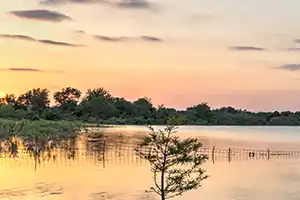
Murphy Park
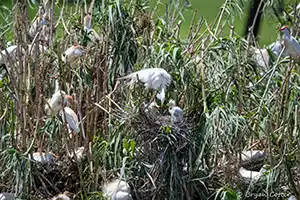
Great spot for nesting water birds like egrets and herons.
More Austin-area hotspots
Beyond the marquee sites above, plenty of other spots are worth working into a custom day, depending on the season and your targets:
Travis County
- Walter E. Long (Decker) Lake — big East Austin lake for waterfowl, gulls, and shorebirds.
- Emerald Park, Lago Vista — park and pond on the north side of Lake Travis.
- Mueller Lake & Southeast Greenway — central-Austin ponds and restored greenway; good for migrants.
- Baker Sanctuary (Travis Audubon) — Golden-cheeked Warbler preserve in the western hills (limited access).
- Barton Creek Greenbelt — classic Austin creek corridor for woodland birds.
- Lake Travis – Mansfield Dam — gulls, waterbirds, and a vantage over the lower lake.
- Webberville Park (Big & Little) — Colorado River bottomland east of Austin; sparrows, waterbirds, migrants.
- Mary Moore Searight Metropolitan Park — large south-Austin park with creek, ponds, and fields.
- Nicholas Dawson Park, Pflugerville — community park and pond for waterfowl and migrants.
- West Bouldin Creek Greenbelt — urban creek strip in south Austin.
Williamson County
- Berry Springs Park, Georgetown — pecan bottoms, ponds, and woods; reliably birdy year-round.
- Muir Lake (Lakeline Park), Cedar Park — easy urban lake for waterfowl and migrants.
- Lake Georgetown (Russell Park / Cedar Hollow) — reservoir parks for waterbirds, especially in migration.
- Tejas Camp — riverside camp good for wintering sparrows, including Harris's Sparrow.
- Discovery Well Cave Preserve — Hill Country scrub and woodland preserve.
See both Hill Country endemics in one morning
The Austin area is the classic “two lifers before lunch” trip: the Golden-cheeked Warbler and Black-capped Vireo are the two birds whose breeding ranges are essentially limited to the Texas Hill Country, and April is the sweet spot to target both. Sites like Balcones Canyonlands NWR (Warbler Vista, Doeskin Ranch, and the Shin Oak deck) let us work both endemics in a single morning — the reason birders fly in from all over the country.
Your guide
I’m Bryan Cotter, an Austin-based professional birding guide. In 2025 I became the 10th person in history to record 500 bird species in Texas, and I hold the Travis County (Austin) Big Year record of 330 species — so the birds right here in my home county are the ones I know best. More about me →
Austin birding FAQ
What birds can I see around Austin?
The two Texas Hill Country endemics — the Golden-cheeked Warbler and Black-capped Vireo — headline the list, along with Edwards Plateau specialties, a wide range of migrants in spring and fall, shorebirds and waterfowl at Hornsby Bend and Granger Lake, and plenty of resident species year-round. See the full photo checklist of Austin-area birds.
When is the best time to go birding in Austin?
Spring, mid-March through May, is the peak — it’s when both Hill Country endemics are present and migration is underway. April is ideal for targeting both endemics in one trip. Winter is good for waterfowl and sparrows, and the area is birdable year-round.
Where are the best birding spots in Austin?
Balcones Canyonlands National Wildlife Refuge for the endemics, Hornsby Bend Bird Observatory for shorebirds and migrants, Reimer’s Ranch for western species, Commons Ford for prairie birds, and Granger Lake in Williamson County for waterfowl and shorebirds.
Can I see both Hill Country endemics near Austin?
Yes. The Austin area is the only place on Earth where the Golden-cheeked Warbler and Black-capped Vireo can be seen in the same morning, and April is the best time. See the Golden-cheeked Warbler and Black-capped Vireo tour pages for details.
Do you offer guided birding tours in Austin?
Yes. Half-day tours are $250 for 1–2 birders ($50 per additional person), with three-quarter- and full-day options available. Trips are tailored to your target birds. Contact me to check dates and book.
Book your Austin birding tour · All destinations · Back to the main page
Birding Tours Texas
Let's Go Birding!
email me privacy policy
copyright © 2026 by Birding Tours Texas. All Rights Reserved
site by: cotter designs
Guided by Bryan Cotter